

177. Expanding My Shrinking World | 在變小的世界裡,學著過得寬一點
Musings of Dr. Jamie C. Hsu, 12.10.2025
As I officially enter the “senior old person” [1] phase of my life, I notice that my world is shrinking due to numerous factors related to my aging body. This is inevitable and requires adjustments in many routines in my daily life — social engagements, professional participation, and even cognitive functioning. Fortunately, to counter such declines, I have found ways to expand my shrinking world via technologies, mental attitudes, and new ways of interacting with people.
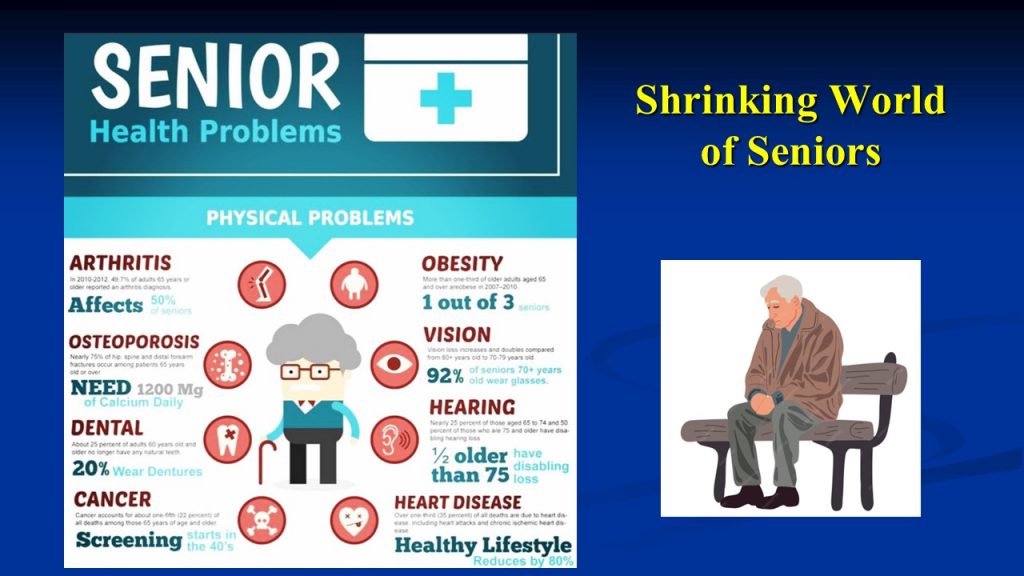
Many of our body’s functions decline as we age:
- Our vision becomes blurred; nearsightedness, farsightedness, cataracts, and dry eyes are common. Glares at night prevent many seniors from driving after dark.
- Hearing becomes more difficult, especially in noisy environments and among crowds. It is common for seniors to miss some words in conversations and to be left in a hazy state of guessing.
- Listening to music, singing karaoke, going to movies, and watching TV are not as enjoyable as before. We can only rely on our memories to replay those enjoyable scenes and tunes.
- Food may not taste as delicious as before due to duller taste buds and smell receptors. Nutrients, more than tastes, become our main pursuit.
The limitations and decline in our senses are indeed making our world of enjoyment smaller and harder to attain.
In addition to these visible changes, seniors’ cognitive responses and physical reaction time are slower too. For example, it may take two seconds longer to react to an automobile driving hazard. Our touch becomes less sensitive; our grip is weaker. That is why seniors tend to drop or bump into things more frequently. It is also why senior-friendly living spaces, smart automobiles, and fall-prevention training are becoming critical parts of senior care in an aging society.
These declining physical capabilities and reduced mental sharpness are causing many seniors to shrink their world — staying home more, having fewer interactions with family and friends, and not venturing out to enjoy themselves. But fortunately, there are ways to counter this and to expand our world. Thanks to technologies, internet communication, and more liberal social norms, seniors can find innovative ways to expand the world around them and live in it.
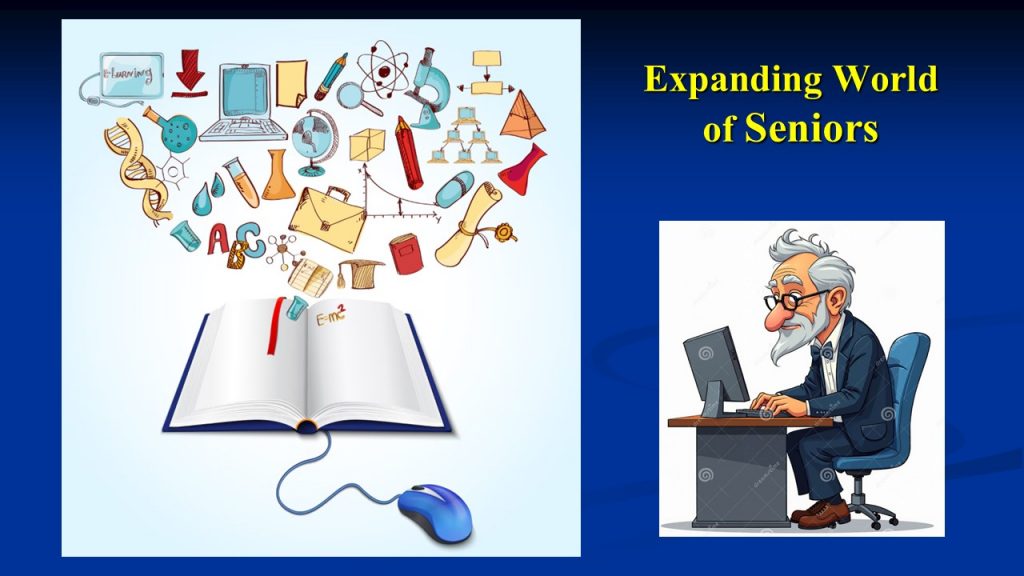
Wi-Fi, the internet, and digital tools are ubiquitous in most of the modern world. We can communicate with friends and family easily via phone, computer, video, and messaging. We can access news and essential information readily through online searches and AI inquiries. Podcasts, web seminars, and the vast library of online books and magazines present us with a wide range of opportunities to explore, entertain, and learn. It is indeed a wide and fascinating world out there.
It takes some courage, exploration, and a cheerful outlook, but seniors can expand their shrinking world and enjoy a refreshed one.
在變小的世界裡,學著過得寬一點(2025/12/10)
-作者 許俊宸博士
-中譯 薛乃綺
當我正式走進”資深長者”這個人生階段時,慢慢發現,隨著身體老化帶來的各種變化,我的世界似乎一點一滴地縮小了。這其實是無可避免的,也意味著日常生活中的許多習慣都得做些調整–不論是作息安排、社交活動、專業參與,甚至連思考與反應方式,都和年輕時不太一樣了。所幸的是,我也慢慢找到一些方法,透過科技、心態調整,以及與人互動的新方式,讓這個逐漸縮小的世界,再度被撐開一些。
隨著年紀增長,身體的各種功能確實會慢慢退化。視力變得模糊是常見的事,不管是老花、近視、遠視、白內障,或是眼睛乾澀;夜間的眩光更讓許多長者不敢在晚上開車。聽力也不如從前,尤其在吵雜的環境或人多的地方,常常漏聽幾個字,只能半猜半聽地跟上對話。聽音樂、唱卡拉 OK、看電影或電視,好像也少了過去那種純粹的享受,有時只能靠腦海裡的記憶,回放那些曾經美好的旋律與畫面。味覺與嗅覺也變得遲鈍,食物不再那麼香了,於是”吃得營養”往往比”吃得好吃”來得重要。這些感官上的限制,的確讓我們能享受的世界變小了,也變得不那麼容易一觸可及。
除了這些看得見的變化,長者在認知反應與身體反應速度上,也會慢慢變慢。舉例來說,遇到開車時的突發狀況,可能就要多花一、兩秒才能反應。觸覺也不如從前靈敏,手勁變小了,於是更容易掉東西、撞到東西。這也是為什麼在高齡化社會中,友善長者的居住空間、智慧車輛,以及防跌訓練,會變得越來越重要。
這些身體與反應能力的退化,常常讓許多長者選擇把生活圈縮小一點,待在家裡的時間變多,與親友互動變少,也較少外出探索與享受生活。不過,幸運的是,這一切並非沒有解方。多虧了科技的進步、網路的普及,以及社會氛圍的改變,長者其實有許多新的方式,可以重新擴展生活的世界,並且自在地生活其中。
像是現在的 Wi-Fi、網路與各種數位工具,早已成為日常的一部分。我們可以透過手機、電腦、視訊或即時訊息,輕鬆和家人朋友保持聯繫;也能透過網路搜尋、AI 問答、Podcast、線上講座,快速取得新聞與各種實用資訊。龐大的線上書籍與雜誌資料庫,更提供了無限的探索、娛樂與學習機會。
這個世界,其實依然寬廣而精彩。只要多一點勇氣,願意嘗試與探索,再加上一份輕鬆、樂觀的心情,我們就能把逐漸縮小的世界,再一次擴展開來,迎接一個更適合自己的生活風景。
